

Buying a Condo in Peterborough?
If you are buying a condo in Peterborough, look past the unit itself and study the whole building. Check the status certificate, reserve fund, condo fees, special assessments, rules, owner versus renter mix, parking, noise, management quality, and how the location fits your day to day life. In Peterborough, condo buyers should also think about walkability, access to transit, proximity to downtown, the hospital, Trent University, Fleming College, shopping, and whether the building feels well cared for. Ontario buyers can use the Condo Authority of Ontario resources and Condo Registry to review important condo information, and a lawyer should review the status certificate before you firm up a resale condo purchase.
Buying a condo can feel simpler than buying a house. In some ways, it is. You are usually dealing with less outdoor maintenance, a smaller space, and often a more predictable lifestyle.
But condos can fool buyers a little.
A nice kitchen, a clean lobby, and a good view can make a place feel like the right fit fast. What many buyers do not realize is that with a condo, you are not just buying a unit. You are buying into a building, a budget, a set of rules, and a shared way of living. That part matters just as much as the countertops.
And in Peterborough, that really matters. Some buyers want a condo near downtown so they can walk to shops, restaurants, and the waterfront. Others want something close to Peterborough Regional Health Centre, Trent University, or Fleming College, or they want a low maintenance home that makes downsizing easier. Peterborough also has an active condo market right now. REALTOR.ca currently shows dozens of condo listings in Peterborough, with asking prices starting from about $269,900, which may make condos appealing to first time buyers, downsizers, and investors alike.
So let's talk about what to really look for before you buy.
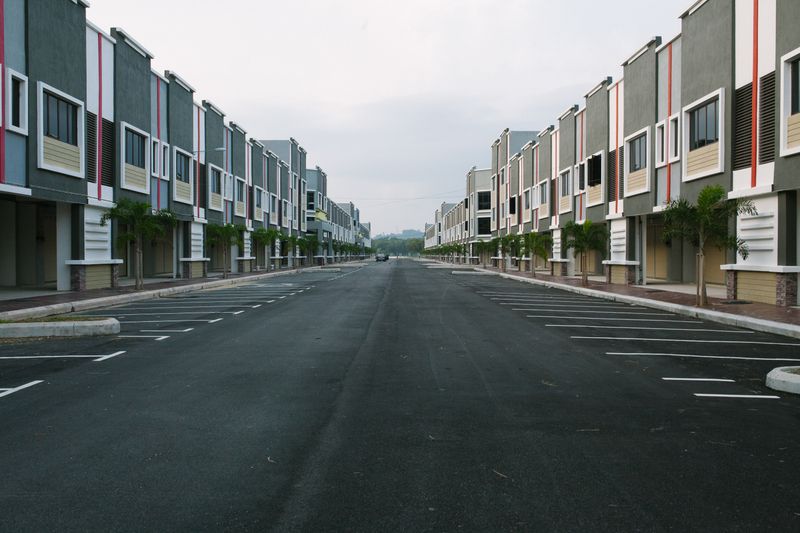
A Nice Unit Can Hide a Bad Building
This is where condo buyers get caught.
They walk into a bright, updated unit and think, this feels perfect. Then a few months later they find out the building has a weak reserve fund, rising fees, rules they do not like, or a history of maintenance problems.
That is the hard part with condos. Problems are not always inside the unit. Sometimes they are in the hallways, the roof, the parking garage, the board's decisions, or the building's finances.
That is why condo buying should be slower and more careful than it may seem.

Start With the Building, Not the Unit
Before you fall in love with finishes, pay attention to the building itself.
Walk through the lobby, hallways, stairwells, elevators, garbage area, and parking. Do things look clean and cared for? Are light fixtures working? Is the entry secure? Does the building feel quiet and settled, or does it feel worn down and neglected?
These details may suggest how the property is being managed day to day. A building does not have to be fancy to be well run. But it should feel maintained.
Also, notice the people. Are residents polite? Do they seem comfortable there? Does the building feel more owner occupied, or more temporary? That question matters because the owner versus renter mix can affect building culture, upkeep, and sometimes resale appeal. The Condo Authority of Ontario notes that status certificates provide important information about the corporation and the unit, and buyers should review them with legal counsel.
In Peterborough, Location Still Matters a Lot
Even with condos, location is still one of the biggest pieces of the puzzle.
A condo close to downtown Peterborough may appeal to buyers who want walkability, restaurants, services, and a more urban lifestyle. A condo in an area with easier access to the hospital may be more attractive for retirees, healthcare workers, or buyers planning ahead. A location with convenient transit may matter more than some buyers expect, especially if they want to downsize from two cars to one.
Peterborough Transit's regular routes run every day and are fully accessible. Route 4 Weller connects areas of the city with the downtown terminal and Peterborough Regional Health Centre. Route 5 The Parkway serves the southwest corner of the city and Fleming College. Route 2 Chemong connects the north end, Trent University, downtown, and Lansdowne Place. That means condo location in Peterborough is not just about the street. It is also about how easily you can live your life from that address.
A condo that looks cheaper on paper may not feel cheaper if it puts you farther from the places you go every week.
The Status Certificate Is Not Optional Thinking
If you are buying a resale condo in Ontario, the status certificate is one of the most important documents in the deal.
It gives a snapshot of the condo corporation and the specific unit. The Condo Authority of Ontario says it includes governing documents, budget information, the current common expenses, whether the unit is in arrears, statements about the reserve fund, insurance details, and information about legal judgments or ongoing litigation. Condo corporations must provide the certificate within 10 days of receiving the request and payment, and the cost is capped at $100 including taxes and materials.
This is where buyers can uncover things like:
- Fee increases
- Special assessments
- Lawsuits
- Arrears
- Restrictions on pets, parking, or rentals
- Weak reserve fund issues
- Odd rules that could affect daily life
This is not a skim and sign document. It should be reviewed carefully by your lawyer.
Condo Fees Matter, But the Lowest Fee Is Not Always Best
A lot of buyers start by asking, what are the condo fees?
That is a fair question, but it is only half the question.
The better question is, what do the condo fees cover, and are they realistic for this building?
The Condo Authority of Ontario explains that reserve funds are meant for major future repair and replacement costs, and status certificates can show buyers details about reserve funds and any special assessments. Special assessments are extra one time charges that can be added to owners' common expenses to cover budget shortfalls or big unexpected costs.
So a building with very low condo fees may sound attractive, but sometimes low fees can suggest that the corporation is not collecting enough for future repairs. That may lead to sharper fee increases later or a special assessment.
On the other hand, higher fees are not automatically bad. Some buildings include more services or have higher operating costs because of elevators, underground parking, or shared amenities.
The goal is not the cheapest fee. The goal is a fee structure that appears sensible for the building.
Reserve Fund Strength Can Save You From a Costly Surprise
This is one of the biggest condo issues buyers overlook.
A reserve fund is basically the building's long term repair fund. Roofs wear out. Hallways need updating. Windows, mechanical systems, and common areas all age. The reserve fund helps pay for those big jobs over time.
The Condo Authority of Ontario says reserve fund documents and studies are key tools for understanding a condo corporation's long term repair planning. Owners also receive a funding plan after the reserve fund study, which helps explain what the corporation expects to collect and spend.
A healthy reserve fund does not mean you will never face a fee increase. But it may suggest that the building is planning ahead instead of reacting late.
That can make a real difference to your monthly costs and peace of mind.
Watch for Signs of Special Assessments or Ongoing Litigation
Some buyers focus so much on the mortgage that they miss the risk of a special assessment.
A special assessment is a one time extra charge to unit owners, often used when the condo corporation needs money for a major expense or a budget shortfall. The Condo Authority of Ontario notes that these may happen when corporations face costly events such as expensive litigation or major unexpected repair needs.
That does not mean every special assessment or lawsuit is a deal breaker. Sometimes there is a reasonable explanation. But it does mean you should understand the risk clearly before you buy.
A condo may look affordable at first, then become much less affordable if owners are hit with a large extra bill.
Owner Occupied Versus Renter Heavy Buildings
This topic can be a bit nuanced.
A building with rentals is not automatically a bad building. Plenty of investor owned condos are well managed and perfectly fine places to live. But a higher owner occupied percentage can sometimes mean more stability, more long term residents, and a stronger sense of care in the building.
The key is balance and building culture.
Ask how the building feels. Ask what the rules are on leasing and short term rentals. Review the governing documents in the status certificate. The Condo Authority of Ontario also provides a Condo Registry where buyers can search for condo corporation information such as board director names, management company information, and other corporation details.
That extra layer of homework may help you avoid surprises.
Rules Matter More Than Buyers Think
A condo is shared living with rules.
Some buyers are fine with that. Others do not realize how much those rules may affect daily life until after closing.
Before buying, check the rules on:
- Pets
- Balconies
- Smoking
- Parking and visitor parking
- Storage
- Renovations
- Leasing and short term rentals
- Noise
- Moving procedures
It is better to know now than to be frustrated later.
Ontario condo governing documents also need to comply with broader legal rules, including disability accommodation requirements under the Human Rights Code.
Noise, Parking, and Storage Are Everyday Issues
These may sound small compared with legal documents, but they shape daily life more than many buyers expect.
Visit the building at different times if you can. Midday and early evening can feel very different. Listen for hallway noise, traffic, mechanical hum, or sound transfer between units.
Check the parking space itself, not just the description on the listing. Is it easy to access? Is it underground or outside? Is visitor parking limited? Is there storage, and is it enough for how you live?
For a downsizer, parking and storage may matter a great deal. For a first time buyer, monthly costs and convenience may matter more. For an investor, tenant appeal may be the focus.
There is no perfect answer. There is only the right fit for your life.
Amenities Should Help Your Life, Not Just Look Good in Photos
Amenities can be a bonus. They can also be overrated.
A party room or exercise room sounds nice, but ask yourself whether you will really use it. Also ask whether those amenities appear clean and maintained.
In some buildings, amenities add real value. In others, they mostly add cost.
This is where practical thinking helps. A building with fewer features but better management may be the stronger buy over time.
Peterborough Condo Buyers Should Think About Their Next Move Too
Here is something I often tell buyers. Do not just buy for today. Buy with tomorrow in mind.
That does not mean overthinking everything. It just means asking a simple question:
If I had to sell this condo in a few years, would the next buyer likely want it too?
That may suggest paying attention to layout, parking, storage, building condition, monthly costs, location, and overall reputation. A good condo should work for your life now and still make sense later.
A Smarter Condo Buying Checklist for Peterborough
Here is the plain language version:
- Study the building before the unit
- Review the status certificate with a lawyer
- Check the reserve fund and any special assessments
- Understand what the condo fees include
- Ask about lawsuits, repairs, and fee increases
- Review the rules carefully
- Think about owner occupancy and rental policies
- Test the location for your real routine
- Look at parking, storage, noise, and security
- Choose the condo that fits your lifestyle, not just your first impression
Final Thoughts
Buying a condo in Peterborough can be a very smart move.
For some people, it offers simpler living, less outdoor work, a good location, and a better fit for downsizing or starting out. But the smartest condo buyers do not stop at the inside of the unit. They study the whole picture.
That is usually where the best decisions are made.
If you are comparing condos in Peterborough and want a second opinion on the building, neighbourhood, resale potential, or what to look for in the paperwork, Frank Rosso can help you think it through in plain language before you make a move.
About the Author
Frank Rosso, ABR, SRS is a Realtor serving Peterborough and the Kawarthas. He helps buyers, sellers, downsizers, and investors make informed real estate decisions with a practical, local approach. Frank focuses on clear advice, strong market knowledge, and helping clients spot the details that matter before they buy or sell.
Main website: PeterboroughAgent.com
Also visit Frank's RE/MAX site: frankrosso.remaxhallmarkeastern.com
Recommended Websites for Readers
For trusted condo information in Ontario, these are worth reviewing:
Condo Authority of Ontario, for status certificates, reserve funds, condo rules, and the Condo Registry.
City of Peterborough Transit, for checking whether a condo location works for your daily routine.
REALTOR.ca, for current Peterborough condo listings, pricing ranges, and neighbourhood inventory.
FAQ
What is the most important document when buying a resale condo in Ontario?
The status certificate is one of the most important documents because it outlines the condo corporation's financial and legal position, the unit's common expenses, insurance, governing documents, and more.
What is a special assessment in a condo?
A special assessment is an extra one time charge added to owners' common expenses when the condo corporation needs to cover a shortfall or major unexpected cost.
How can I check a condo corporation in Ontario?
You can review the status certificate and search the Condo Authority of Ontario's Condo Registry for corporation information.
Are condos in Peterborough a good option for downsizers?
They can be, especially for buyers who want less maintenance, easier access to services, and a simpler lifestyle. The right answer depends on the building, fees, rules, and location.
Does condo location matter if I am not buying a house?
Yes. In Peterborough, access to downtown, transit, the hospital, shopping, Trent University, or Fleming College can affect daily convenience and future resale appeal.